
Façade Embodied Carbon Calculator Update

The biggest impact on the embodied carbon of a project can be made by getting the right concept at the earliest work stages. It is important, therefore, that designers and developers making decisions at the beginning of a project are informed by actual ‘as-built’ data. Multiplex have responded to this need by first developing a data-driven embodied carbon calculator (following the CWCT methodology), and now by providing an end-of-year summary of the results collated across our portfolio of projects.
At the beginning of this year, Multiplex met with several interested parties to introduce our tool and approach. We are now one year on and keen to discuss not only the data we hold and the insights it reveals, but also how the industry can collaborate better so that the lessons from completed projects can better inform the next round of projects, allowing the data we collate to answer the questions that designers would have at the beginning of the design cycle.
Collection of Data
Our tool allows us to analyse data in detail, providing outputs for different façade systems by Façade Surface Area (FSA) and Gross Internal Area (GIA). The tool provides a transparent data set that allows the full project team to engage in discussions about the assumptions behind the calculations, allowing real-time comparison to be made before the final design is locked in. It is therefore much more than just a tool to log as-built information.
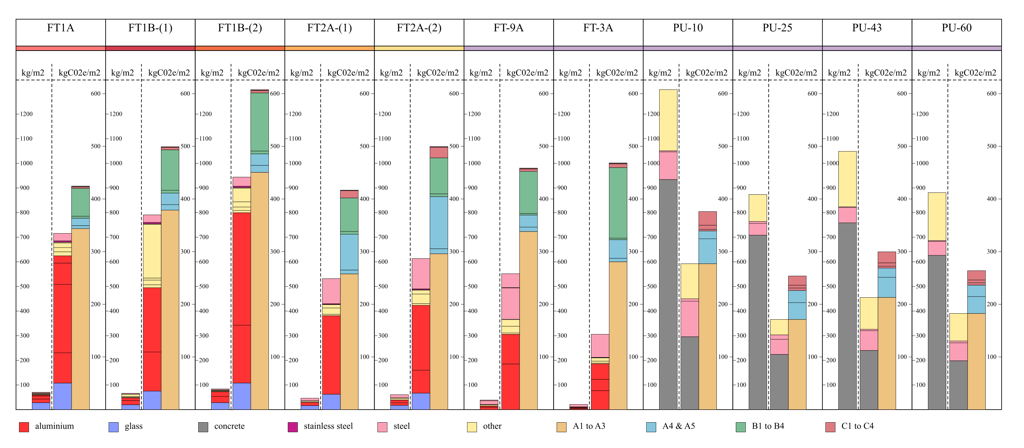
Fig.1 Carbon distribution across a sample project by façade type
The Material Options function allows instant assessment of the impact of materials with different intensities in a live environment. The output is provided in kgCO₂e/m² GIA, which provides real assessment on the impact each façade type can make on the overall carbon performance of the project. The ability to run queries on multiple materials across multiple façade types provides a unique understanding of the potential carbon savings that could be achieved by varying the procurement, commercial, technical or aesthetic characteristics of the façade, and allow us to deliver a balanced approach across all project disciplines.
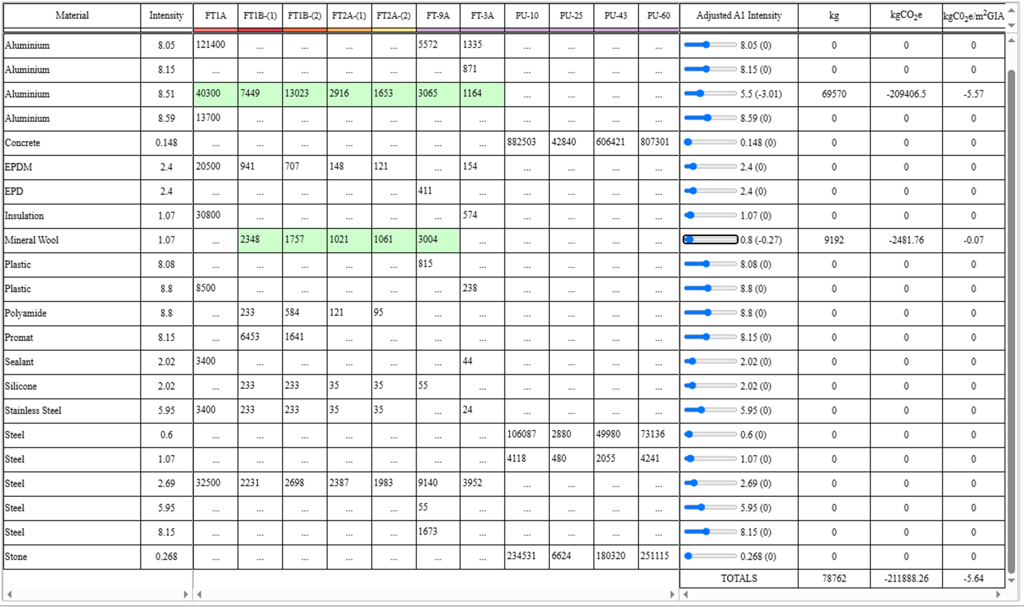
Fig.2 Materials Options function providing live impact across multiple materials and façade types
Our Results
We have collated data across our current projects at RIBA Design Stages 4 and 5, incorporating detailed specialist contractor material quantities and material intensities from their supply chain, including EPD information wherever available. The data shows significant variability, which is in part due to the variability of the façade types that are typical of our projects, and we believe in part due to limitations on the magnitude of our data set constrained to the most recent projects delivered by Multiplex in the UK.
The variability shown within Fig 3 indicates a wide range of values for typical façade types, for example in the Curtain Walling category. This dataset is further broken down into sub-types such as Unitised Curtain Wall, Site Assembled Curtain Wall, Closed Cavity Façades, with materiality recorded. Similarly, the Precast Concrete dataset incorporates various finishes (terracotta, brick) and includes Ultra High Performance Concrete.
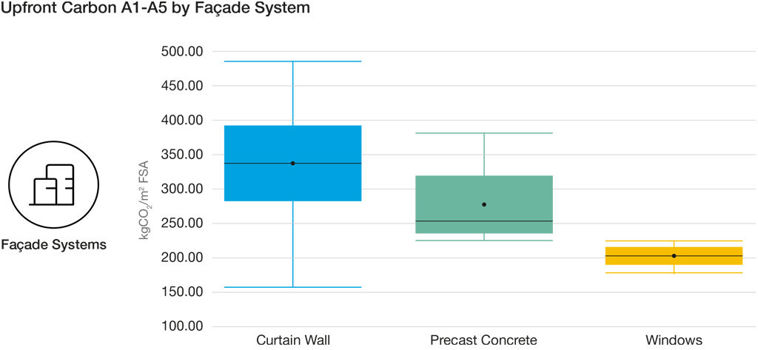
Fig. 3 Summary of embodied carbon by façade type (kgC02e/m2 FSA)
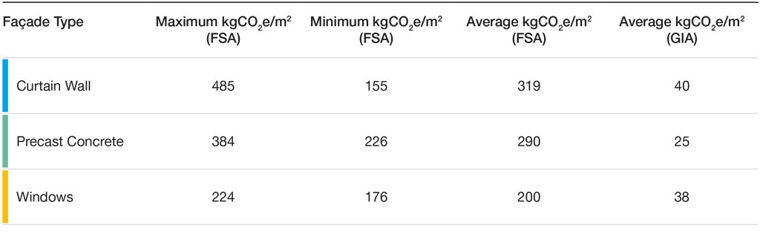
Fig.4 Results Categorised by Façade Type (A1 – A5)
We have also defined an internal-to-Multiplex rating scheme for the broad range of performance functions that the façade provides, such as thermal performance, structural performance, durability, etc.
Multiplex’s data set represents a relatively small part of the annual façade market in the United Kingdom; however, we believe it provides a great example of how embodied carbon data can be structured.
Next Steps
We continue to analyse the data across our projects, reviewing where carbon savings have been achieved and where the incorporation of the improving and emerging material options could produce further carbon reductions.
Our data collection is continuing as projects mature, and we are keen to share and discuss data with the industry. Our tool is available for our supply chain to utilise, producing their own calculations in accordance with CWCT’s methodology, presented in an easy-to-read output with clear, transparent input data.
Our next round table event will be scheduled for February 2026 to present our data, debate the insights that it provides, and discuss how the façade discipline might better share embodied carbon data. Please contact Neil Dobbs ([email protected]) or Ed Forwood ([email protected]) if you are keen to participate.


Multiplex strengthens its decarbonisation commitments with new science-based emissions reduction targets

